First time here?
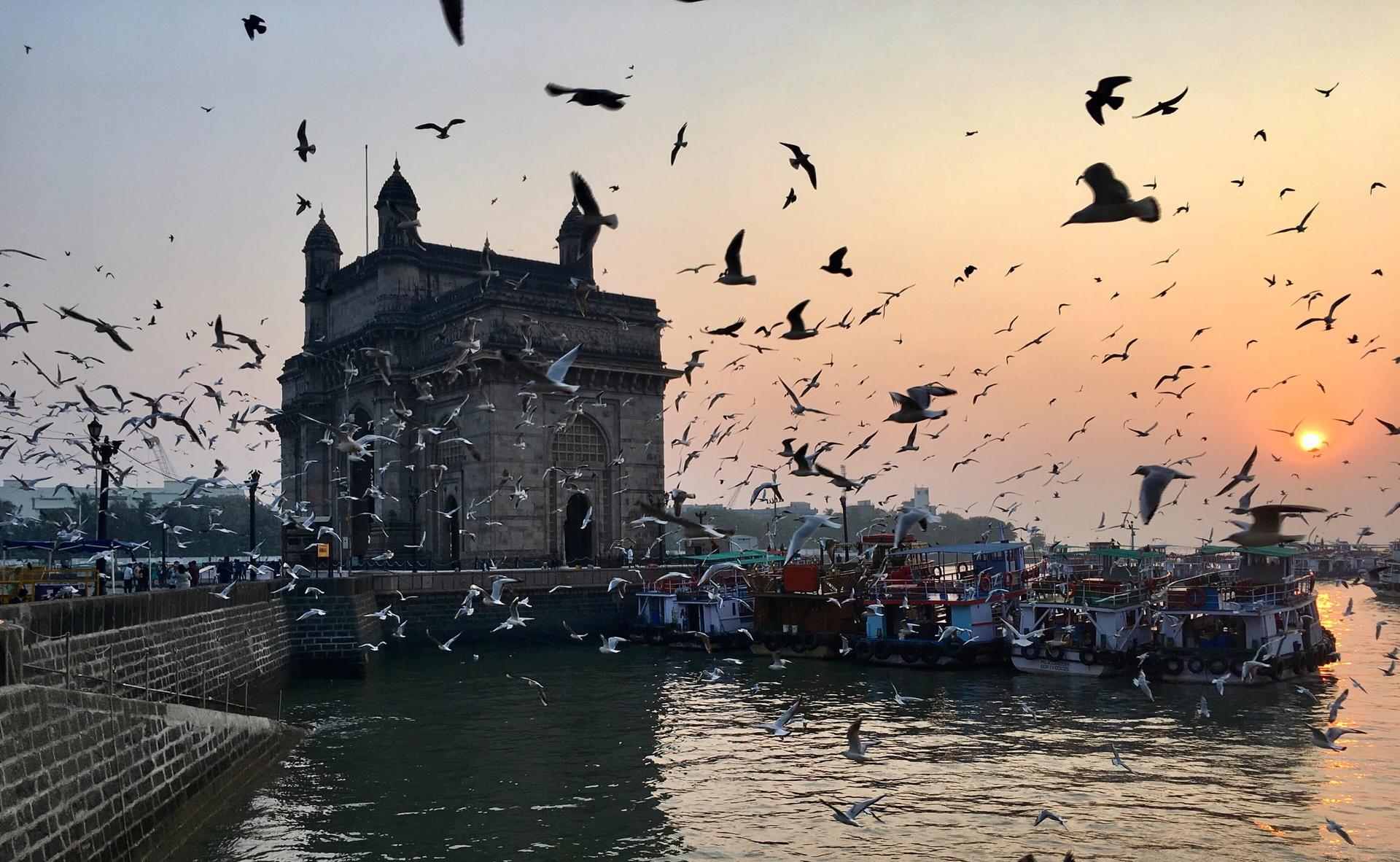
Gateway of India · Photo by Kush Jain, CC BY-SA 4.0

How long have you got?
Getting in from the airport
There are now two airports. Check which one is on your ticket, because they are far apart.
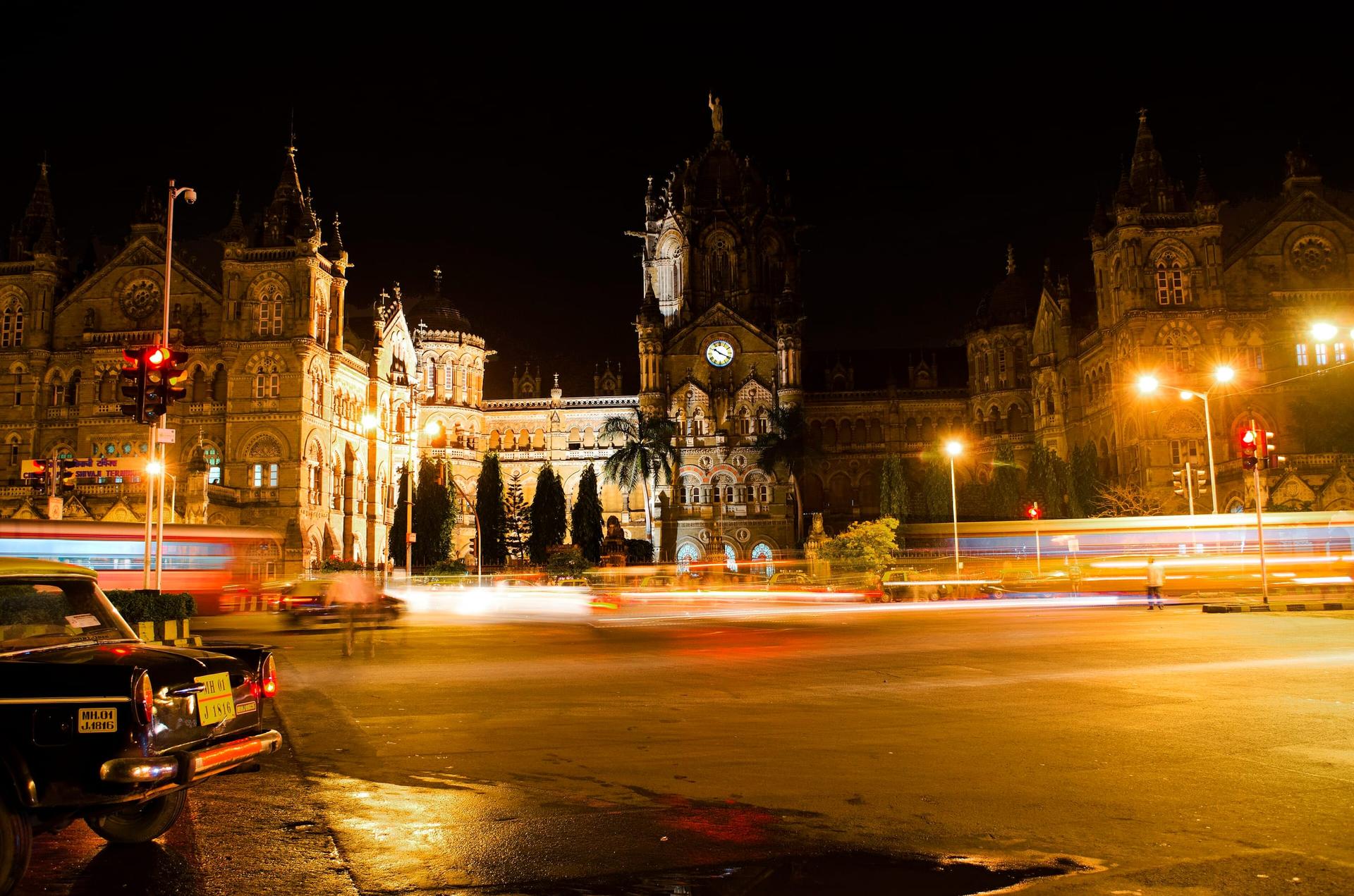
CSMT · Photo by Debjyotiarr, CC BY-SA 3.0

- Which airport am I landing at?
- BOM is Chhatrapati Shivaji Maharaj International Airport in the north of Mumbai, with Terminal 1 and Terminal 2. NMI is Navi Mumbai International Airport at Ulwe, across the harbour, which opened in December 2025. If you land at NMI, your hotel in South Mumbai is a long road trip away over the Atal Setu sea bridge.
- What is the easiest way to my hotel?
- Use a prepaid taxi counter inside the arrivals hall, or an app cab such as Uber or Ola from its marked pick-up point. Agree nothing with anyone who approaches you outside the terminal. Late at night a cab is safer than working out trains with luggage.
- Is there a train from the airport?
- From BOM, the Aqua Line of the Metro runs underground from the airport terminals through the city to Cuffe Parade. It is the best way to skip traffic if your bag is small. Suburban trains do not stop at the airport.
Money, phones and the internet
India pays by phone. You will still want some cash.
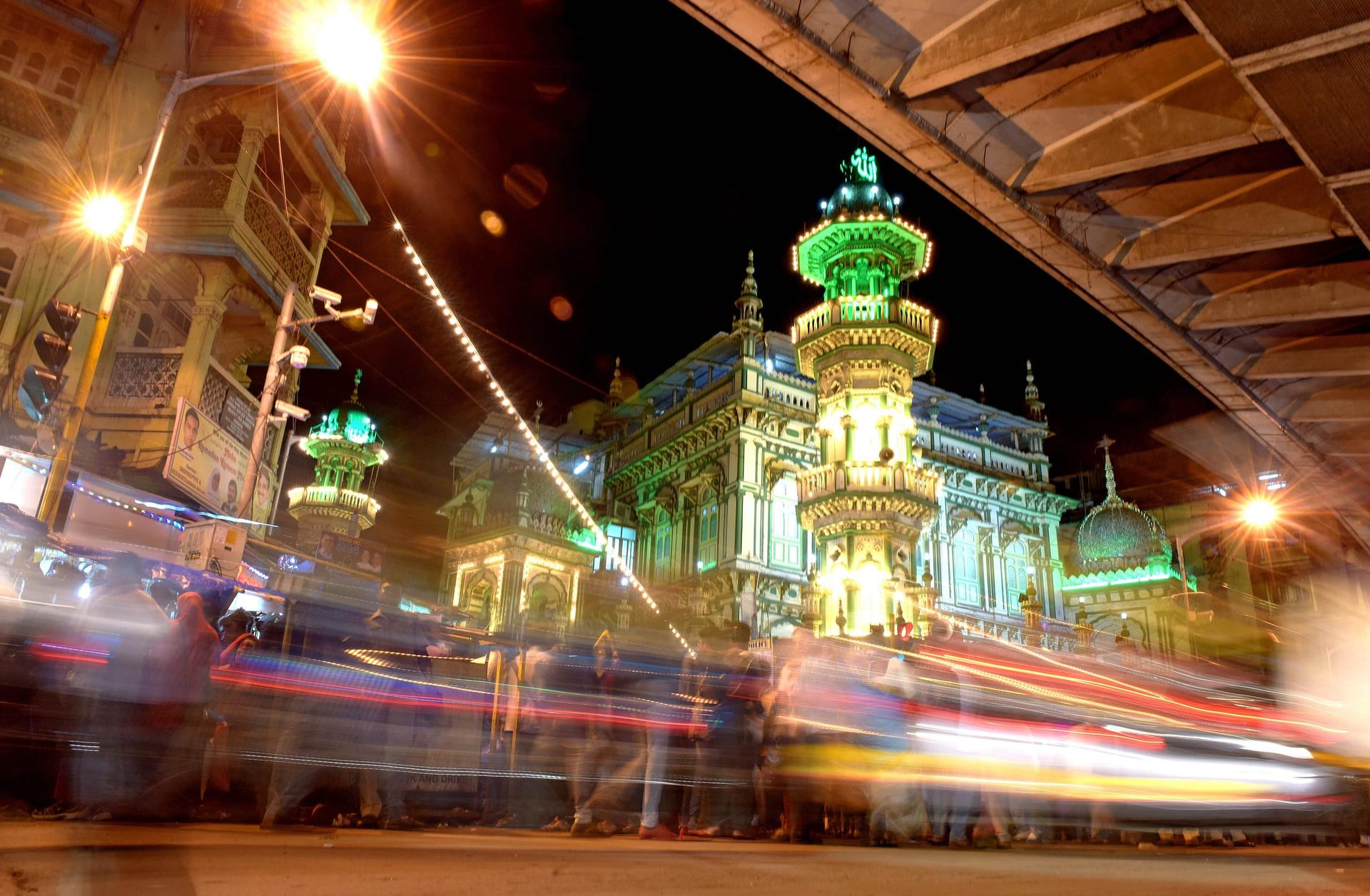
Minara Masjid · Photo by Swapnil Sakhare, CC BY-SA 4.0

- Should I carry cash?
- Yes, some. Hotels, restaurants and malls take cards, but small stalls, rickshaws and many old eating houses prefer cash or a phone payment. Use ATMs inside banks where you can.
- Can a foreigner use UPI, the scan-to-pay system?
- Sometimes. A prepaid wallet called UPI One World lets visitors load money with a foreign card and pay at any UPI QR code, though the sign-up usually needs your passport and availability varies. Ask at the airport or your hotel.
- How do I get a SIM card?
- Buy one at an authorised counter at the airport or a brand store, with your passport and visa. It takes some identity checks and may not work straight away. A travel eSIM set up before you fly is simpler for a short stay, but it gives you no Indian number, which some apps need.
Moving around the city
Traffic is slow, trains are fast, and each area has its own rules.
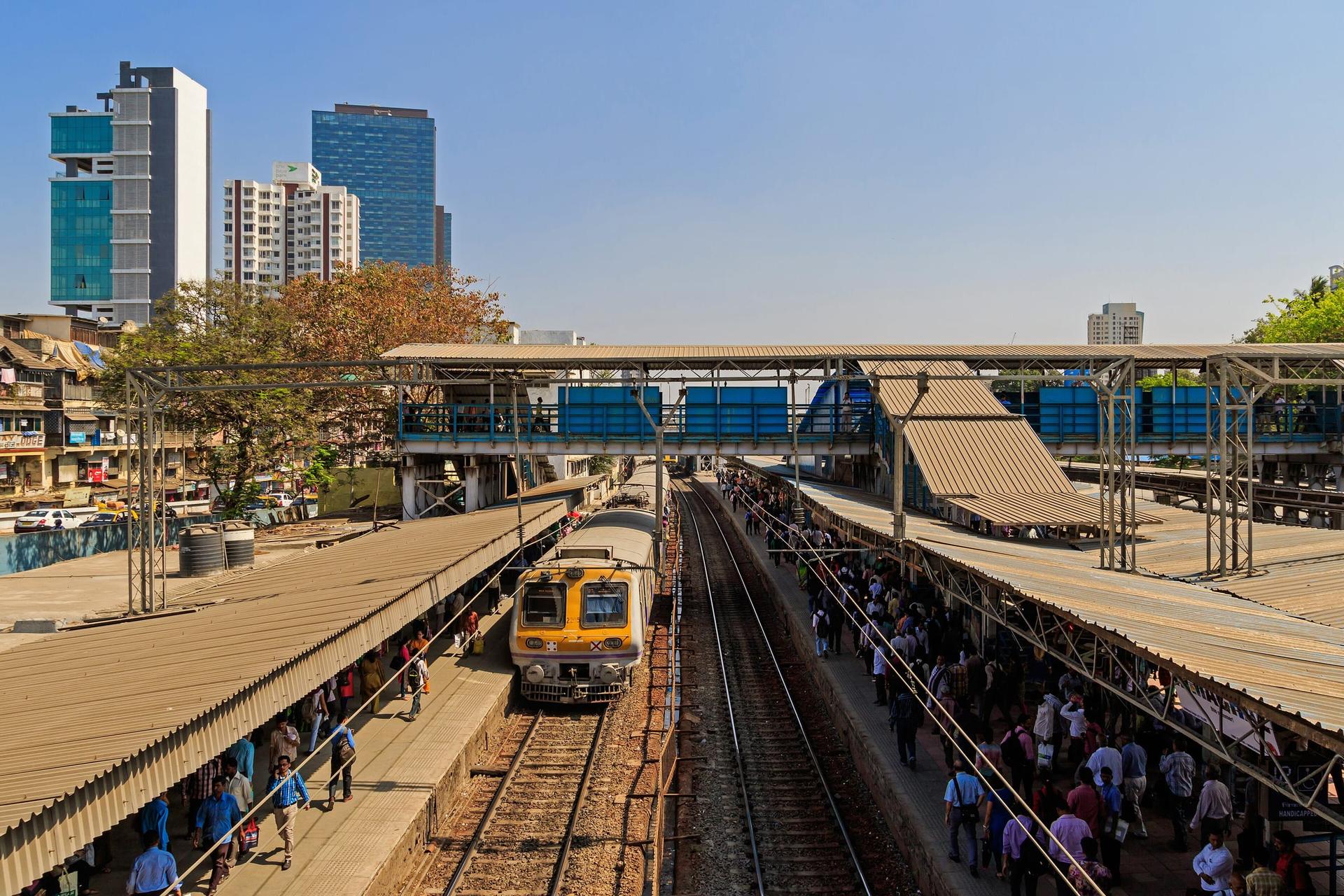
Dadar station · Photo by A.Savin, Free Art License

- Taxi or rickshaw?
- In South and Central Mumbai you will see black-and-yellow taxis but no auto-rickshaws, which only run in the suburbs from about Bandra and Sion northwards. Ask for the meter, or book through an app so the price is fixed before you start.
- Should I take the local train?
- Yes, at least once, in the middle of the day. Avoid rush hours with luggage. It is the fastest way across the city and there is nothing else like it.
- What about the Metro?
- The Metro is air-conditioned and easy to use, with signs and announcements in English. The Aqua Line runs north to south under the city, and other lines cross the western and eastern suburbs.
- How do I pay for trains and the Metro?
- Metro stations sell tickets at counters and machines. For local trains, buy from the booking window or a ticket machine at the station. The Mumbai One app is meant to cover several kinds of transport on one phone.
Staying well and safe
Mumbai is one of the easier big cities to walk around, and a few habits help.
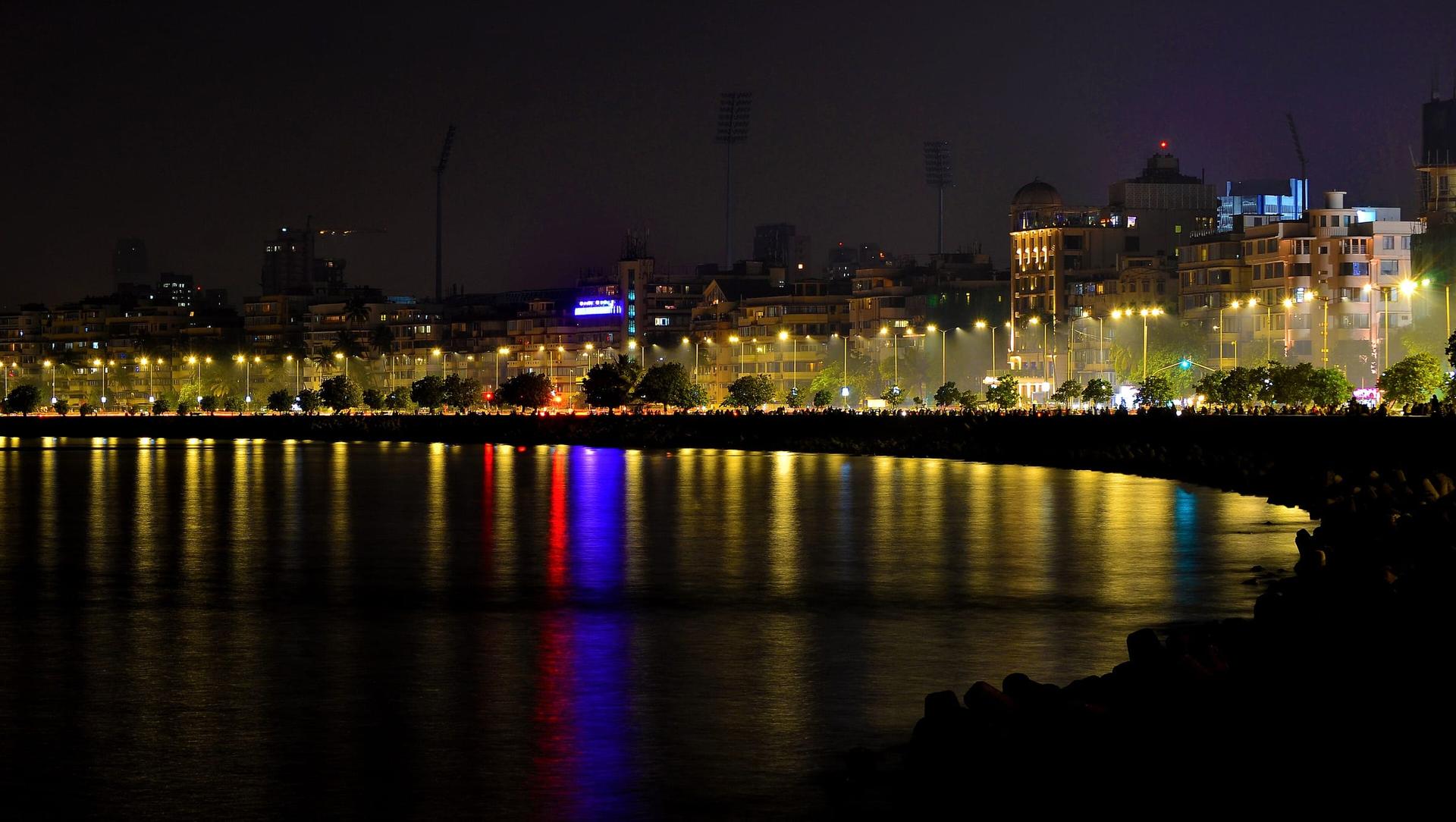
Marine Drive · Photo by Prateeksngh867, CC BY-SA 4.0

- What number do I call in an emergency?
- Dial 112 from any phone. It reaches police, fire and ambulance. Keep the address of where you are staying written down, in case you need to show it to someone.
- Is it safe for women travelling alone?
- Generally yes in busy areas, and local trains have ladies' coaches. Take the usual care late at night, use app cabs rather than unmarked cars, and share your trip with someone.
- What should I eat and drink?
- Drink sealed bottled or filtered water, and avoid ice from street stalls. Eat where the food is cooked hot in front of you and the queue is long. Start gently if your stomach is not used to the spice.
- When is the monsoon?
- Roughly June to September. It is green and beautiful, but heavy rain can flood roads and stop trains. Stay off the sea wall in rough weather. The dry, cooler months from November to February are the easiest time to visit.
A few local manners
Nobody expects you to know these, and people will help. Knowing them still goes a long way.
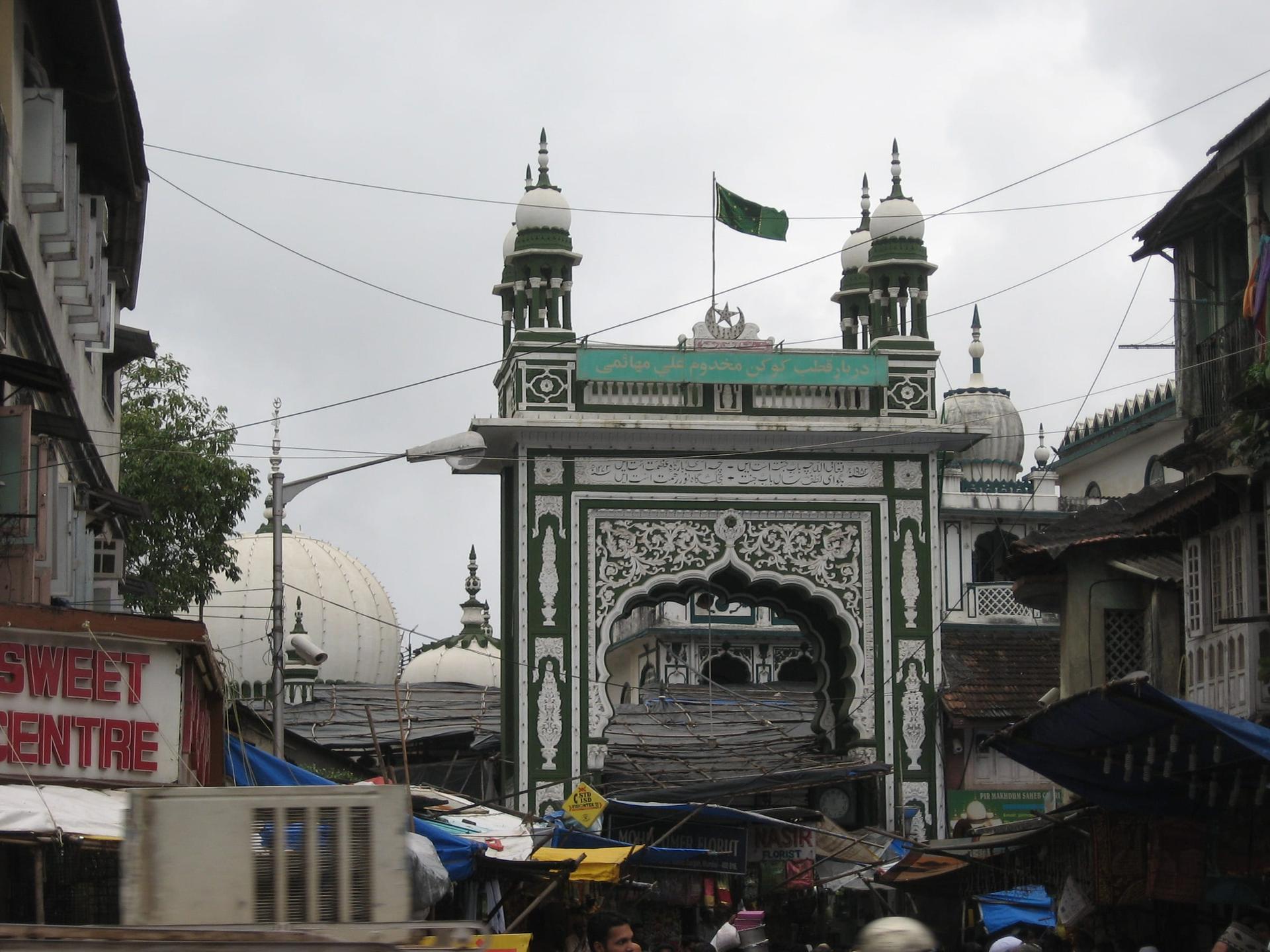
Mahim Dargah · Photo by Nicholas (Nichalp), CC BY-SA 3.0

- What do I wear to a temple, mosque or dargah?
- Cover your shoulders and knees, and take your shoes off where others do. Some places ask for your head to be covered, so carry a scarf. Some do not admit non-members to the inner areas, so ask first.
- Do I bargain?
- In street markets, yes, with a smile. In shops with printed prices, no. Tipping is welcome, not demanded: rounding up in a restaurant is fine.
- How do I ask for directions?
- Ask for the nearest station, not the street. Mumbai finds its way by station, and everyone will know it. Most people speak some English, and a phrase or two of Bambaiya will get you a smile.
Checked in November 2026. Rules, apps and timetables change, so confirm anything important with your airline, hotel or the official source. In an emergency, dial 112. Spot a mistake? Tell us.